The Tamazight Dialects: A Comprehensive Guide to Morocco’s Berber Languages
Introduction
Tamazight, the collective term for the Berber languages spoken across North Africa, is a linguistic treasure that reflects Morocco’s ancient heritage. With over 2 million speakers in Morocco alone, Tamazight dialects are integral to the country’s cultural identity. This article delves into the diversity, history, and significance of Tamazight dialects, offering insights for travelers, linguists, and cultural enthusiasts.
Table of contents
- The Tamazight Dialects: A Comprehensive Guide to Morocco’s Berber Languages
Historical Background of Tamazight
Tamazight has roots tracing back to 3000 BCE, making it one of the oldest languages in North Africa. Historically, Berber-speaking communities thrived across the region, from the Atlas Mountains to the Sahara Desert. Despite Arabization efforts post-Islamic conquests, Tamazight persisted, particularly in rural areas. In 2005, Morocco recognized Tamazight as an official language alongside Arabic, marking a pivotal moment in its preservation.
Major Tamazight Dialects in Morocco
Morocco’s Tamazight dialects are broadly categorized into four groups:
Central Atlas Tamazight
- Spoken in the High Atlas Mountains.
- Notable for its distinct phonetic and grammatical structure
Shalha (Tashelhit)
- Predominant in the Anti-Atlas region.
- Features unique vocabulary influenced by Saharan trade routes.
Riffian Tamazight
- Native to the Rif Mountains.
- Influenced by Mediterranean cultures, with loanwords from Spanish and Catalan.
Hassanai Tamazight
- Native to the South of Morocco.
- Influenced by Tuareg cultures.
Each dialect reflects the geography, history, and traditions of its speakers, creating a linguistic mosaic.
Linguistic Features of Tamazight
Phonetics and Script
- Phonetic Uniqueness: Tamazight dialects use clicks, ejectives, and uvular sounds uncommon in other languages.
- Writing Systems: Historically oral, Tamazight now uses the Latin alphabet (official since 2003) and the Arabic-based Tifinagh script, revived in the 20th century.
Grammar and Syntax
- Agglutinative Structure: Words are formed by combining roots with affixes (e.g., akka = brother, akken = brothers).
- Verb Flexibility: Verbs adapt to tense, mood, and aspect with suffixes (e.g., n-ska = I ate, t-ska = you ate).
Cultural Significance of Tamazight
Tamazight is more than a language—it’s a vessel of Berber identity. It preserves oral traditions, proverbs, music (e.g., Aita songs), and folklore. In Moroccan society, Tamazight-speaking communities maintain close ties to nature, evident in terms for flora, fauna, and nomadic lifestyles. For travelers, engaging with Tamazight culture offers a deeper connection to Morocco’s heritage.
Challenges Facing Tamazight Dialects
- Arabization: Urbanization and education policies have marginalized Tamazight, particularly among younger generations.
- Lack of Standardization: Dialectal diversity complicates efforts to unify the language for media or education.
- Globalization: Youth increasingly adopt French and English, risking Tamazight’s decline.
Preservation Efforts
- Royal Institute for Amazigh Culture (IRCAM): Founded in 2001, IRCAM promotes Tamazight through research, publications, and cultural events.
- Education: Tamazight is taught in schools in Berber-majority regions, though implementation varies.
- Media: TV programs and radio stations like Al Amazighiya broadcast in Tamazight, increasing visibility.
Tamazight in Tourism
For visitors to Morocco, experiencing Tamazight culture enriches travel. Consider:
- Atlas Mountain Treks: Interact with Tamazight-speaking Berber villages.
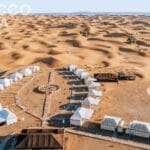
- Desert Camps: Learn traditional songs and stories around a campfire.
- Local Festivals: Attend events like the Imilchil Marriage Festival, where Tamazight is central.
Future Prospects
Tamazight’s survival hinges on intergenerational transmission and institutional support. While challenges persist, growing pride in Berber identity and global interest in cultural diversity offer hope. Travelers can contribute by engaging respectfully with Tamazight communities and supporting local artisans.
Conclusion
Tamazight dialects are a testament to Morocco’s ancient heritage and cultural resilience. By understanding their history, linguistic richness, and societal role, we gain a deeper appreciation for the country’s soul. Whether through tourism or advocacy, preserving Tamazight ensures future generations can connect with this irreplaceable legacy.
Explore Tamazight culture via guided tours
ⵣ ⵜⵓⵏⵙⵉⵎⵜ ⴷ ⵜⵉⵏⵉⵔⵉ ⵏⵏⵓⵏ! (Safe travels and endless deserts!)